Medium Shot People Working Together

Inclusive Cultures Don’t Happen by Accident — They’re Built Intentionally

Following International Women's Day, many organisations reflect on progress.But for finance leaders and hiring managers, the more important question is this: What does inclusion mean in practice — and how does it affect performance? Because this isn’t just a culture conversation. It’s a capability conversation. ​Inclusion Impacts Talent Attraction ​The best finance professionals — at every level — have options. They are looking for: Transparent progression pathways Visible meritocracy Leadership that values contribution over presence Environments where performance is recognised fairly If an organisation’s culture unintentionally favours “proximity” — those closest to decision-makers — it narrows its own talent pipeline. ​And in a market where specialist skills are already in short supply, that’s a commercial risk. ​Meritocracy Must Be Visible Many businesses describe themselves as meritocratic. ​But candidates assess that through lived signals: Who is in senior leadership? Who is promoted internally? How are flexible working arrangements handled? How openly are development opportunities discussed? In accountancy and finance particularly — where progression paths are structured and performance is measurable — fairness needs to be both real and visible. ​High performers want clarity, standards and consistency. ​​Leadership Behaviour Shapes Retention Inclusive leadership isn’t about grand gestures. ​It’s about everyday behaviours: Who is invited into strategic discussions Who is given stretch projects Who is credited publicly Who is sponsored, not just mentored Retention in finance teams is rarely lost because of salary alone. It’s often influenced by visibility, opportunity and recognition. ​Businesses that understand this tend to build stronger, more stable finance functions. ​The Commercial Case for Inclusion Diverse and inclusive teams bring broader perspectives to: Risk assessment Strategic planning Commercial analysis Operational improvement For CFOs and Finance Directors, inclusion isn’t a compliance issue. It’s about building balanced teams capable of better decision-making. ​The organisations that approach inclusion intentionally — rather than reactively — are often the ones that outperform in the long term. ​Beyond Awareness Days International Women’s Day creates valuable momentum every year:But sustained progress comes from: Clear promotion criteria Transparent hiring processes Conscious leadership development Ongoing cultural accountability In today’s hiring market, an inclusive culture isn’t just about employer branding — it influences who joins, who stays and how teams perform. ​

Read article
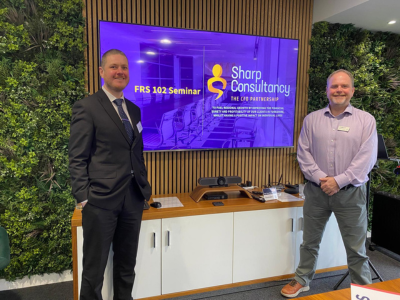
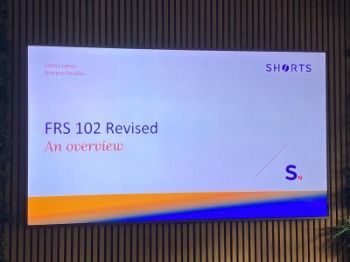
FRS 102 Seminar hosted at Shorts Chartered Accountants in Sheffield in their modern board room with green velvet chairs and natural and wooden décor.

FRS 102 Revised Seminar Brings South Yorkshire Finance Leaders Together

Back to Blogs

​In collaboration with Shorts Chartered Accountants, we recently hosted a seminar for senior finance professionals from across the region.

The event brought together a number of Finance Directors, Financial Controllers and senior leaders from across the region for a morning of insight, discussion and networking over breakfast. It was a pleasure to welcome so many familiar faces, alongside new contacts, reflecting the strength and depth of the Yorkshire finance community.

The seminar was presented by Howard Freeman, Audit & Accounts Partner, and Andy Ryder, Corporate Finance Partner at Shorts. We are extremely grateful to both speakers for sharing their time and expertise, and for delivering a clear, practical overview of the forthcoming changes to FRS 102, which came into effect on 1 January 2026 and are expected to impact a significant number of UK businesses.

The session explored what is changing and why, particularly in relation to lease accounting and revenue recognition, and considered what the updates mean in practice for finance teams and business leaders. The speakers also addressed the new reporting requirements under FRS 102, the potential impact on EBITDA and valuation methodologies, and the key considerations for organisations as they prepare for implementation.

Rather than focusing purely on technical detail, the seminar encouraged broader discussion around readiness, communication with stakeholders and the commercial implications of the changes. This led to a highly engaged Q&A session, with attendees sharing perspecti

ves and experiences from their own organisations.

At Sharp Consultancy, we are committed to supporting the finance community beyond recruitment alone. Events such as this form part of our ongoing effort to create opportunities for connection, knowledge-sharing and professional development among senior finance professionals.

We would like to extend our sincere thanks to Shorts for partnering with us on this event, and in particular to Howard and Andy for delivering such an informative and thought-provoking session. We are also grateful to everyone who attended and contributed to the discussion.

We look forward to hosting further events in the coming months and continuing to work closely with our network of finance leaders across the region.

If you would like to discuss how these changes may impact your finance team, or if you are considering strengthening your leadership function, please contact us for a confidential conversation.