Iwd3

​International Women’s Day 2026: A Conversation on Inclusion, Allyship and Progress

This year, to mark International Women's Day, our Divisional Director Emma Gregson brought together a group of colleagues for an open roundtable discussion. No filming. No scripts. Just an honest conversation. The aim wasn’t to produce a perfectly polished statement. It was to create space — to reflect, to listen, and to explore what inclusion really looks like in today’s workplace. Here’s what we learned. ​What Comes to Mind When You Think About International Women’s Day? ​For some, it represents recognition — a moment to highlight the achievements of women in business and beyond. For others, it prompts reflection on progress still to be made. One theme quickly emerged: while the day itself is visible — particularly on LinkedIn — its meaning runs much deeper. There was acknowledgment that conversations about gender equality can’t simply live online or exist once a year. They need to be embedded into the fabric of how organisations operate. International Women’s Day may fall on 8th March, but the principles behind it shouldn’t be date-bound. ​Why Having This Discussion at Work Matters A powerful point raised during the discussion was this: We spend most of our waking hours at work — if we don’t talk about it here, where do we talk about it? Workplaces shape opportunity. They shape confidence. They shape careers. Several colleagues reflected on environments they had previously worked in — some more progressive than others, often heavily male dominated — and how that influenced whether these conversations were welcomed or avoided. One comment stood out: “The first step to change is acknowledging there’s a problem.” Whether discussing representation in leadership, the gender pay gap, or unconscious bias in everyday interactions, awareness is the foundation for meaningful progress. ​What Does an Inclusive Workplace Really Look Like? The group explored what inclusion means beyond policy statements or formal initiatives. One perspective captured it perfectly: “Inclusion is felt, not announced.” An inclusive workplace isn’t defined by posters on the wall or annual emails. It’s defined by behaviour. It's About: A genuine meritocracy where progression is based on performance, not proximity to power. Leadership that doesn’t require the loudest voice in the room. Being mindful of everyday conversations that may unintentionally exclude. Creating space where people feel comfortable speaking up — or saying no. There was also recognition that unconscious bias can show up in subtle ways. From assumptions about who should attend certain meetings, to whose opinions are actively sought, small behaviours compound over time. Inclusion, ultimately, is about awareness — and accountability. ​Women Who Inspire Us When asked who inspires them, the responses were deeply personal. Mothers who worked multiple jobs to provide stability. Partners balancing demanding careers with professional qualifications. Managers who quietly transformed workplace cultures. Public figures like Marie Curie — a pioneer who succeeded in a world that actively tried to exclude her. What united these stories was resilience. Determination. And an unwillingness to accept imposed limitations. Several colleagues reflected on strong female leaders they had worked with — leaders who didn’t need to dominate a room to command respect. They led through example. Through consistency. Through standards. The quiet confidence of competence. ​Where Do Women Still Face Challenges?The discussion didn’t shy away from reality. Challenges still exist — particularly in male-dominated industries, senior leadership environments, and in balancing career progression with societal expectations around caregiving. There was open acknowledgment that historically, women have often had to “run harder” to reach the same point. And yet, there was also recognition of generational progress. Attitudes are shifting. Leadership is evolving. Conversations that once felt uncomfortable are now happening openly. Progress is visible — but unfinished. ​Moving Forward This roundtable wasn’t about having all the answers. It was about listening. Learning. And recognising that inclusion is a shared responsibility. International Women’s Day provides a valuable moment for reflection. But the real impact lies in what happens on the 9th of March — and every day after. At Sharp Consultancy, we’re committed to continuing these conversations — not as a tick-box exercise, but as part of how we build a culture where everyone can thrive. Because equality isn’t a campaign… It’s a commitment. ​

Read article
Laptop screen displaying a candidate's accountancy and finance CV, illustrating key points to feature on a CV.

Why a Strong CV is Non-Negotiable for Finance Professionals in 2025

Back to Blogs

​As a Senior Resourcer at Sharp Consultancy, I’ve reviewed thousands of CVs...

From those just starting out to seasoned professionals with decades of experience. One thing remains consistent: in today’s competitive market, a strong CV isn’t optional—it’s essential.

Today, South Yorkshire’s finance landscape is more dynamic than ever. With growing demand across sectors like manufacturing, logistics, healthcare, and tech, accountancy and finance professionals are expected to bring more than just technical skills to the table. Your CV is your first opportunity to prove you’re up to the challenge.

This blog marks the start of a three-part series focused on helping you craft a standout CV tailored to your career stage and goals. In this first post, we’ll cover general CV tips relevant to all finance professionals. In the next two instalments, we’ll dive deeper into:

  • Transactional Finance CVs – how to highlight your experience in roles such as purchase ledger, sales ledger, and credit control.

  • Part-Qualified Finance CVs – how to position yourself for progression while studying towards your qualifications.

Stay tuned for practical advice and real-world insights to help your CV rise to the top of the pile.

🕒 First Impressions Matter

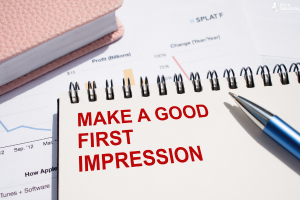
A white notepad with the writing 'make a good first impression' on it and a pen on a desk with other paper and books.

Recruiters and hiring managers typically spend less than 30 seconds scanning a CV. That means your CV needs to immediately communicate relevance, professionalism, and potential. A clean layout, clear structure, and tailored content can make the difference between landing an interview or being passed over.

🔍 Specialist Skillsets Are in Demand

Finance roles today go far beyond number-crunching. Employers want professionals who understand how finance supports wider business goals. Whether it’s streamlining reporting, implementing new systems, or driving cost efficiencies, your CV should highlight the tangible impact you’ve made.

This is your chance to showcase your value-add—what makes you different from the next candidate. Use metrics where possible to quantify your achievements and make them memorable.

📍 Standing Out in Yorkshire

Yorkshire is home to a diverse range of industries, from advanced manufacturing and engineering to professional services and digital tech. This diversity creates exciting opportunities—but also fierce competition.

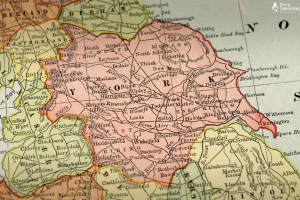
An old map of England highlighting the counties, with a focus on Yorkshire's geographical features and borders.

To stand out, your CV should reflect sector-specific experience and transferable skills. Whether you’ve worked in a fast-paced SME or a large corporate environment, highlight how your background aligns with the needs of the region’s employers.

📊 Business Acumen is a Must

Finance professionals are increasingly expected to contribute to strategic decision-making. Roles in FP&A, commercial finance, and business partnering are on the rise, and employers want candidates who can offer insight—not just information.

Your CV should reflect your ability to influence outcomes. Have you helped drive revenue growth? Supported investment decisions? Improved forecasting accuracy? These are the stories that resonate with hiring managers.

Businessman holds a graph as people run up it, symbolising progression and success in the business world.

📈 Show a Clear Story of Progression

Recruiters look for signs of growth and development. A strong CV doesn’t just list job titles—it explains the “why” behind each move. Did you step into a leadership role? Take on a new challenge? Gain exposure to a different sector?

Even lateral moves can be powerful if they show a deliberate effort to build your skillset. Make sure your CV tells a cohesive story of your career journey.

🔑 Final Thoughts

In Yorkshire’s fast-moving industries, a sharp, well-crafted CV is your key to unlocking new opportunities. It’s not just about listing experience—it’s about showing impact, adaptability, and commercial value from the very first glance.

Whether you’re actively job hunting or just exploring your options, now is the time to invest in your CV.

Visit Our Candidate Advice Pages Here

--

Looking for your next career move in finance or accountancy? At Sharp Consultancy, our expertise lies in matching your potential with the perfect temporary, interim, or permanent position. With a well-established presence in Leeds and Sheffield, our seasoned team of consultants extends their services across Yorkshire and beyond. Don't wait for opportunity to knock, reach out to us TODAY and let's chart your career path together.