Inclusive Cultures Don’t Happen by Accident — They’re Built Intentionally
Following International Women's Day, many organisations reflect on progress.But for finance leaders and hiring managers, the more important question is this: What does inclusion mean in practice — and how does it affect performance? Because this isn’t just a culture conversation. It’s a capability conversation. Inclusion Impacts Talent Attraction The best finance professionals — at every level — have options. They are looking for: Transparent progression pathways Visible meritocracy Leadership that values contribution over presence Environments where performance is recognised fairly If an organisation’s culture unintentionally favours “proximity” — those closest to decision-makers — it narrows its own talent pipeline. And in a market where specialist skills are already in short supply, that’s a commercial risk. Meritocracy Must Be Visible Many businesses describe themselves as meritocratic. But candidates assess that through lived signals: Who is in senior leadership? Who is promoted internally? How are flexible working arrangements handled? How openly are development opportunities discussed? In accountancy and finance particularly — where progression paths are structured and performance is measurable — fairness needs to be both real and visible. High performers want clarity, standards and consistency. Leadership Behaviour Shapes Retention Inclusive leadership isn’t about grand gestures. It’s about everyday behaviours: Who is invited into strategic discussions Who is given stretch projects Who is credited publicly Who is sponsored, not just mentored Retention in finance teams is rarely lost because of salary alone. It’s often influenced by visibility, opportunity and recognition. Businesses that understand this tend to build stronger, more stable finance functions. The Commercial Case for Inclusion Diverse and inclusive teams bring broader perspectives to: Risk assessment Strategic planning Commercial analysis Operational improvement For CFOs and Finance Directors, inclusion isn’t a compliance issue. It’s about building balanced teams capable of better decision-making. The organisations that approach inclusion intentionally — rather than reactively — are often the ones that outperform in the long term. Beyond Awareness Days International Women’s Day creates valuable momentum every year:But sustained progress comes from: Clear promotion criteria Transparent hiring processes Conscious leadership development Ongoing cultural accountability In today’s hiring market, an inclusive culture isn’t just about employer branding — it influences who joins, who stays and how teams perform.
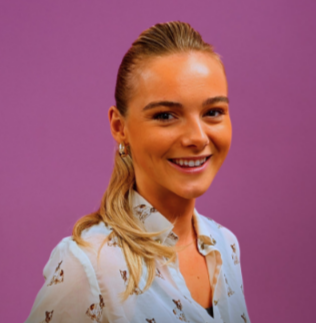
For the second instalment of Behind the Desk, we’re catching up with Soraya Downing to hear all about her journey into recruitment and beyond.
Having spent nearly six years in recruitment — and the last few focusing on Qualified and Part Qualified finance roles across South Yorkshire — Soraya shares some honest reflections on what she’s learned, what keeps her motivated, and a few things she’s picked up along the way. From F1 to strong tea, here’s a closer look at the person behind the role.
Understanding the Journey: Personal Insights and Inspirations
You've been in recruitment for nearly six years now — what first attracted you to the world of finance and accountancy recruitment, and what’s kept you here?
Wow, six whole years — time really flies! I’ve always been interested in Accountancy and Finance, which started back in school when I studied Economics and Business. For me, the world of finance is like a window into the health of the UK market and how businesses are performing. It’s a constantly evolving field, which keeps things interesting and motivates me to keep learning and improving.
When you’re not working, how do you like to spend your time? Any hobbies or interests?
Outside of work, I love going on long walks and hikes, and spending quality time with my family and my partner, Simon. We enjoy going out for food and cooking together at home. I’m also a regular gym-goer — it really helps me keep balance. And when I’m relaxing, I’m a big fan of watching Formula 1!
Who or what has had the biggest influence on your professional mindset or values?
Definitely my mum. She’s always been a standout role model for me — managing stressful, high-pressure roles while still balancing work and family life. She’s always taught me to stay true to myself and to lead with integrity, which are values I carry with me every day.
Industry Perspective: Lessons and Approaches in Recruitment
Looking back on your career so far, what’s one standout lesson that’s shaped how you approach your role today?
The biggest lesson for me has been to always be myself. There’s plenty of great advice, tips, and tricks you can learn from others — and I’ve definitely picked up a lot along the way — but staying true to who I am has made the biggest difference. People buy from people, and being genuine has helped me build stronger, more honest relationships.
What’s one thing you wish more people knew about working in recruitment?
It’s definitely harder than it looks! Most people don’t last more than a year in recruitment — it takes a certain type of person to handle the highs and lows and really stick with it. It’s so much more than just sending a CV and hoping for the best. You’re dealing with people, their careers, their lives, and everything that comes with that. It’s about building trust, managing relationships, and being resilient when things don’t go to plan.
What makes recruiting for Qualified and Part Qualified roles in South Yorkshire unique or particularly rewarding?
I really enjoy speaking with senior people in the finance space — the conversations are often business related, much wider than just finance, as well as in-depth and strategic.
I love the relationship-driven aspect of recruitment at this level which adds to the enjoyment of working with both my clients and candidates. It suits me because I genuinely care about people and the positive impact the right move can have on their career, or the right hire can have on the businesses I work with.
The Person Behind the Recruiter: Fun and Light-hearted
Tea or coffee — and how do you take it?
Definitely tea — strong, dark, and two sugars please!
What’s your favourite way to unwind after a hectic week?
I love going for a walk or hitting the gym with my music on — it’s the best way for me to switch off. What I listen to totally depends on my mood... could be Stormzy one day and a bit of 80s the next (haha).
If you could turn back time and give yourself one piece of advice at the start of your career, what would it be?
It’s actually advice I still use now — confidence comes from putting yourself in uncomfortable situations. No matter what level you’re at, we all experience moments of doubt. Whenever I find myself in a challenging situation now, I remind myself of that, and it gives me the push I need to keep going.
The Future in Focus: Aspirations and Industry Outlook
What motivates you to keep growing and evolving as an experienced recruiter?
I’ve always loved learning — if there’s a way to become better, faster, and more efficient in my process, I’m all for it. Whether it’s through podcasts, training sessions, or learning from others in the business, I’m constantly looking for ways to improve. What really drives me is the excitement of being the best at what I do and knowing I’m adding real value to the market and to the people I work with.
Are there any emerging skills or qualities that you think will become more valuable for Part-Qualified Finance Professionals in the near future?
There’s definitely been an increase in demand for finance professionals with strong commercial skills. It’s not just about processing numbers — businesses want people who can add value, influence decision-making, and really understand the wider impact of finance on operations.
I’d recommend part-qualified professionals actively look for opportunities to get involved in commercial conversations, attend meetings, and contribute to decision-making processes. Building that confidence and presence early on, especially in face-to-face settings, will make a big difference to long-term progression.
From your experience, what’s one practical change you think your clients and candidates could make to improve their recruitment journey?
For my clients, I’d recommend working on an exclusive basis rather than using multiple agencies. Time and time again, I’ve seen how multi-agency approaches cause unnecessary confusion — duplicate applications, lack of control over how their brand is represented in the market, and mixed messaging to candidates. Trusting one recruiter gives you much better control of the process, a consistent message, and a more thorough market mapping approach.
For my candidates, I’d give the same advice — stick with one agency you trust. Your reputation in the market matters. If your recruiter isn’t offering to meet you in person (unless distance makes it impractical) and is relying solely on Teams, that’s a red flag. Meeting face-to-face allows us to properly understand who you are, what you’re looking for, and how to represent you in the best light. It makes all the difference in a competitive market.
.
Thinking About Joining the Team?
It’s great to hear Soraya’s take. She brings such a grounded, thoughtful perspective to everything she does. Whether it’s building genuine relationships or staying curious about what’s next, it’s clear she’s got a real passion for the work and the people involved. We’re looking forward to seeing where the next part of her journey takes her
If Soraya's story has inspired you and you’re interested in building a career in recruitment with a supportive, people-focused team—we’d love to hear from you. We’re always on the lookout for passionate individuals who want to make a real impact. Get in touch for a confidential chat about life at our company and the opportunities we have available.